Resource → process → qualified customer
Water purification
How the pathway works
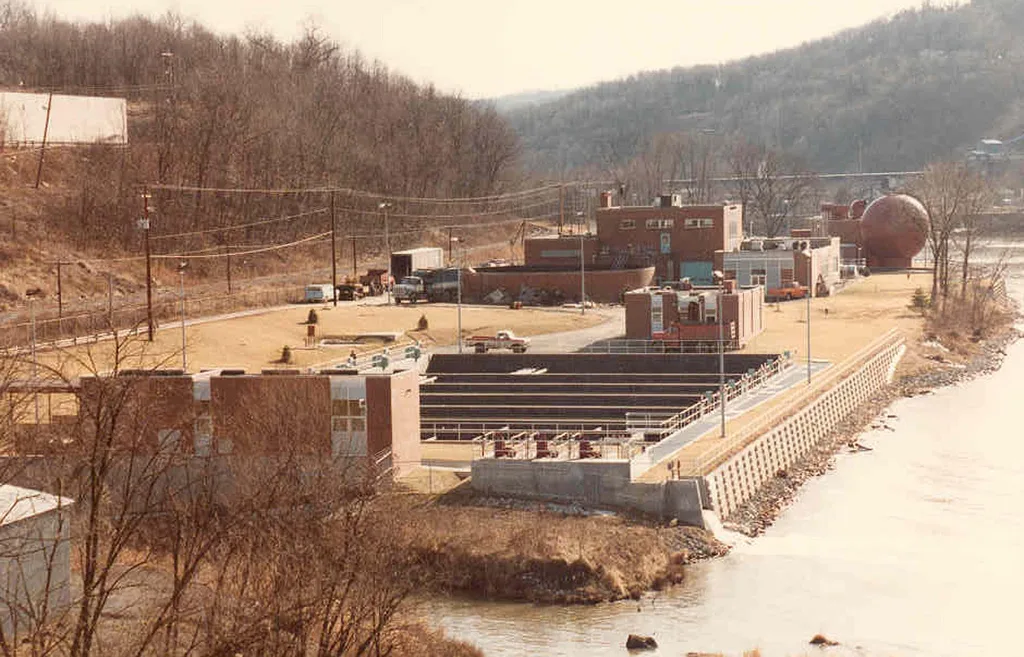
Characterise the source through sanitary inspection and seasonal laboratory sampling. Select a treatment train for the actual microbial and chemical hazards, then verify performance at the point of use. Protected storage, disinfection where appropriate, operator training and corrective actions are part of the service, not optional extras.
Users and possible revenue model
Potential users: schools, clinics, communities, food processors and estates. Possible contracts combine installation, monitored supply, consumables and preventive maintenance, with affordability and service responsibilities agreed.
Specifications and evidence before investment
An engineer and qualified laboratory should establish applicable Nigerian requirements, source contaminants, treatment capacity and operating limits. Test microbial safety and relevant chemicals; track turbidity, disinfectant controls where used, filter performance and storage hygiene. Moringa seed clarification alone does not establish safe drinking water.
Open this opportunity →Resource → process → qualified customer
Wastewater reuse
How the pathway works
Separate domestic sewage from industrial streams. Characterise flows and pollutants, treat to an agreed end-use specification and deliver through a clearly marked nonpotable network. Evaluate landscaping, industrial utility water or restricted agricultural use before more demanding applications.
Users and possible revenue model
Estates, factories and landscape managers could pay for treatment and reliable reused water where it replaces an existing cost. Model collection, treatment, distribution, monitoring and residuals disposal together.
Specifications and evidence before investment
Require end-use risk assessment, pathogen and chemical testing, discharge/reuse permissions, worker protection and cross-connection prevention. Salt, metals and persistent chemicals can constrain irrigation or industrial reuse. This pathway does not propose direct potable reuse.
Open this opportunity →Resource → process → qualified customer
Rainwater harvesting
How the pathway works
Survey roof materials, catchment area, rainfall seasonality and demand. Fit debris screening, first-flush management where appropriate, covered storage, mosquito protection and accessible cleaning. Prioritise toilet flushing or other suitable nonpotable uses; retain a dry-season contingency.
Users and possible revenue model
Schools, homes, workshops and public buildings could procure design, installation, tank cleaning and annual maintenance. Savings depend on local alternative-water costs and usable rainfall rather than tank volume alone.
Specifications and evidence before investment
Check structural loads, gutter hygiene, overflow drainage and tank materials. Rainfall does not guarantee year-round supply. Drinking use requires a separately validated treatment and water-safety plan; avoid contamination from roofs, birds, dust and storage.
Open this opportunity →Resource → process → qualified customer
Filtration media
How the pathway works
Screen locally available silica sand or coconut/palm-shell-derived carbon against a specific treatment duty. Process, grade, wash or activate as required; qualify the material with controlled laboratory and pilot trials before selling it for treatment.
Users and possible revenue model
Treatment-equipment assemblers, industrial operators and utilities are possible customers. Revenue could come from qualified media batches, replacement service and safe spent-media handling, not untested claims of universal purification.
Specifications and evidence before investment
Specify particle-size distribution, fines, hydraulic performance, adsorption or removal capacity, leaching, strength and usable service life. Raw biochar is not automatically activated carbon. Spent media may concentrate hazardous pollutants and needs an appropriate disposal route.
Open this opportunity →Resource → process → qualified customer
Water monitoring
How the pathway works
Combine source surveys, sample collection, laboratory analysis and simple operational instruments. Train local technicians, use traceable sample IDs and provide alerts with a named responsible operator. Link the dashboard to a documented action, such as isolating a supply or retesting.
Users and possible revenue model
Estates, schools, processors and public-water operators may commission baseline surveys or recurring monitoring. Service pricing must cover transport, sample preservation, calibration, laboratory work and reporting.
Specifications and evidence before investment
Calibrate sensors and maintain chain of custody. pH, conductivity or turbidity alone cannot certify microbial safety or detect every toxic chemical. Agree sampling frequency and escalation with competent specialists; publish limitations rather than a misleading safe/unsafe score.
Open this opportunity →Resource → process → qualified customer
Decentralised sanitation
How the pathway works
Assess toilets, containment, emptying, transport, treatment and final disposal as one service chain. For dense settlements, markets and institutions, compare maintainable decentralised options matched to land, groundwater, flooding and operating capability.
Users and possible revenue model
Users, facility owners and local authorities could contract cleaning, scheduled emptying and treatment. Recovery of nutrients or energy is a possible later outlet only after safety and market qualification.
Specifications and evidence before investment
Prevent direct exposure and uncontrolled discharge. Provide worker protection, flood-resilient containment and traceable sludge transport. Treat and test recovered material before considering agricultural application. A constructed wetland or septic tank is not a blanket guarantee of pathogen removal.
Open this opportunity →