Local resources. Shared prosperity.Abuja, Nigeria · Innovation & Investment
Premium Blue EconomyINNOVATION & INVESTMENT
Land & materials

Food & regenerative agriculture

Build more value around what farmers already grow.

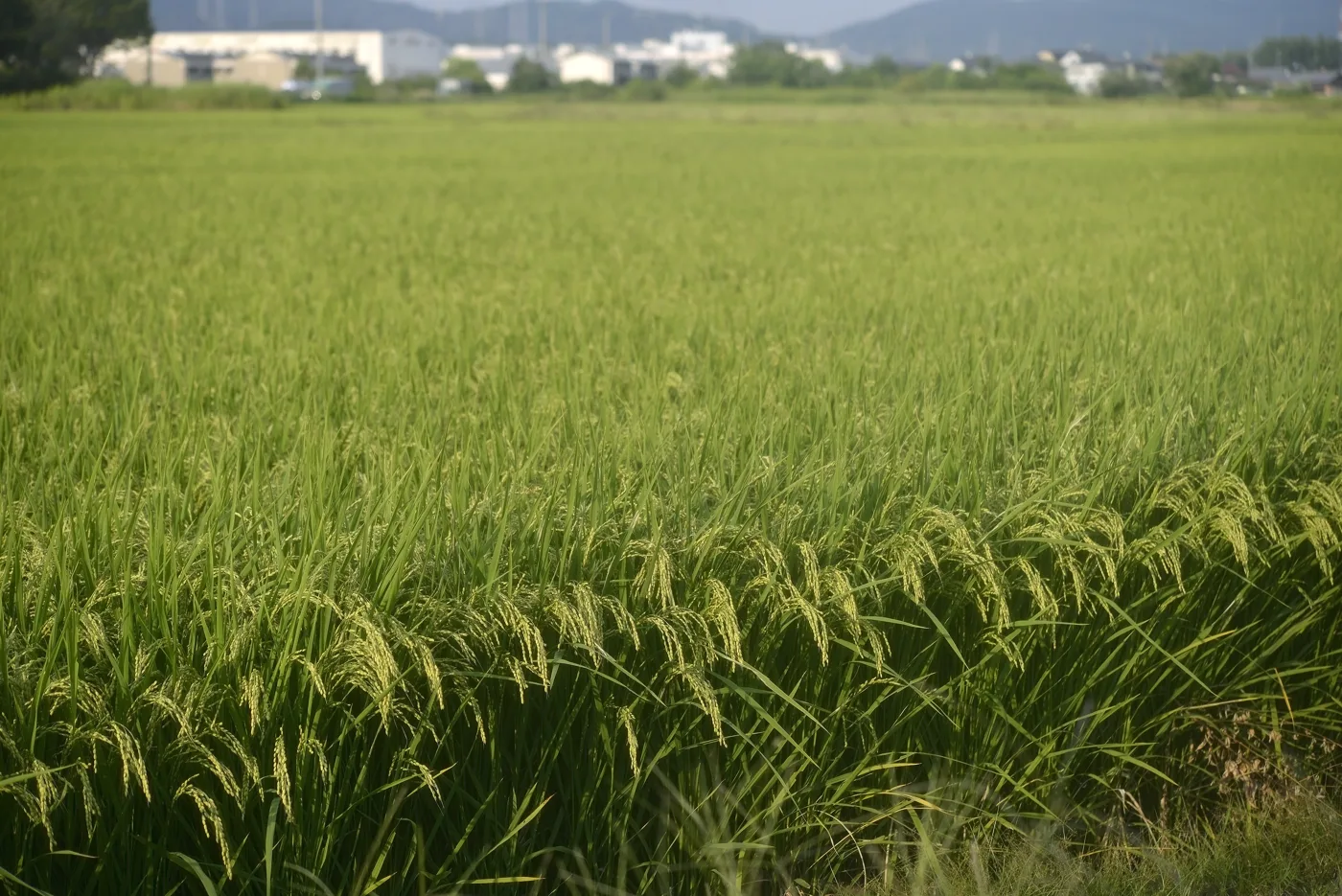
A green rice field with buildings in the distance
Opportunity design, not an investment promise. These are Nigeria-focused candidate pathways. Verify site conditions, permissions, customer requirements and operating economics before implementation.

From local resource to useful service

Build Nigerian processing clusters around reliable crop supply, food safety and real demand. The first value gain may be better storage and grading rather than a new factory. Food, feed, materials and energy pathways compete for the same biomass, so record allocations and do not count a residue twice.

Explore every pathway

Choose a pathway for its process, customers, evidence requirements and a focused discussion.

Resource → process → qualified customer

Sorghum products

How the pathway works

Clean and grade grain, then assess milling, malt or food ingredients against a buyer formulation.

Users and possible revenue model

Millers, beverage processors and food manufacturers require consistent batches.

Specifications and evidence before investment

Validate grain quality, storage pests, mycotoxin controls, process yield and product shelf life.

Open this opportunity →
Resource → process → qualified customer

Rice-husk silica

How the pathway works

Aggregate clean husk, assess controlled conversion and purification for a defined silica grade.

Users and possible revenue model

Materials and industrial users may qualify silica samples after independent testing.

Specifications and evidence before investment

Characterise ash, silica form, impurities, emissions, chemical recovery and production costs; ash is not automatically high-purity silica.

Open this opportunity →
Resource → process → qualified customer

Cassava derivatives

How the pathway works

Coordinate root supply and rapid processing into food, starch or other selected products.

Users and possible revenue model

Food processors and industrial starch users have distinct specifications.

Specifications and evidence before investment

Manage cyanogenic hazards, wastewater, perishability and grade consistency; quantify water and energy needs.

Open this opportunity →
Resource → process → qualified customer

Mushrooms

How the pathway works

Select locally suitable species and prepare appropriate agricultural residues under hygienic cultivation conditions.

Users and possible revenue model

Food-service buyers, retailers and processors can contract fresh or dried mushrooms.

Specifications and evidence before investment

Validate substrate recipes, contamination control, safe species identity, shelf life and market acceptance; not every residue is suitable.

Open this opportunity →
Resource → process → qualified customer

Food drying

How the pathway works

Match cleaning, cutting, drying and packaging to a target food and storage period.

Users and possible revenue model

Farm aggregators and processors could pay per batch or purchase dried products.

Specifications and evidence before investment

Measure moisture, microbial safety, energy use, drying uniformity and buyer quality; protect against post-drying contamination.

Open this opportunity →
Resource → process → qualified customer

Biological crop inputs

How the pathway works

Assess safe composts or specific biological formulations with traceable ingredients and controlled trials.

Users and possible revenue model

Growers and input distributors need consistent, legally marketable products.

Specifications and evidence before investment

Test contaminants, maturity or organism identity, efficacy and storage; avoid substituting unverified claims for field evidence.

Open this opportunity →
Start with evidence

Three practical pilot designs

Harvest-loss baseline

Measure losses at aggregation, storage and processing before choosing equipment.

Shared dryer trial

Compare saleable yield, moisture and energy across representative batches.

Residue cascade map

Allocate residues among feed, cultivation, compost and energy only after safety and economic screening.

Safeguards and operating responsibilities

  • Protect soil organic matter and competing household uses.
  • Keep food and hazardous-material streams separate.
  • Use validated food-safety procedures and traceability.
  • Agree farmer payment, seasonal supply and reject rules.

Measure before scaling

  • Saleable yield
  • Farmer net receipts
  • Spoilage avoided
  • Water and energy intensity
  • Qualified repeat buyers

Build the commercial case

Confirm the customer specification and sample acceptance first. Obtain site-specific capital and operating quotations, including feedstock, labour, energy, maintenance, logistics, testing, insurance, permissions and residuals. Model working capital and downside scenarios using documented assumptions. Shared inputs or by-products count as revenue only when safe, deliverable and accepted by a customer.

Connect this portfolio

Assess shared utilities, services and qualified material exchanges across these related sectors. Record allocation so the same resource or benefit is not counted twice.

Evidence and further reading

The linked sources inform the sector’s general technical or development basis. Nigeria-specific pilots and business models on this page are proposed designs, not endorsed projects, verified returns or commitments by the source organisations.