Local resources. Shared prosperity.Abuja, Nigeria · Innovation & Investment
Premium Blue EconomyINNOVATION & INVESTMENT
Energy & industry

Productive energy

Put reliable energy to work in local enterprise.

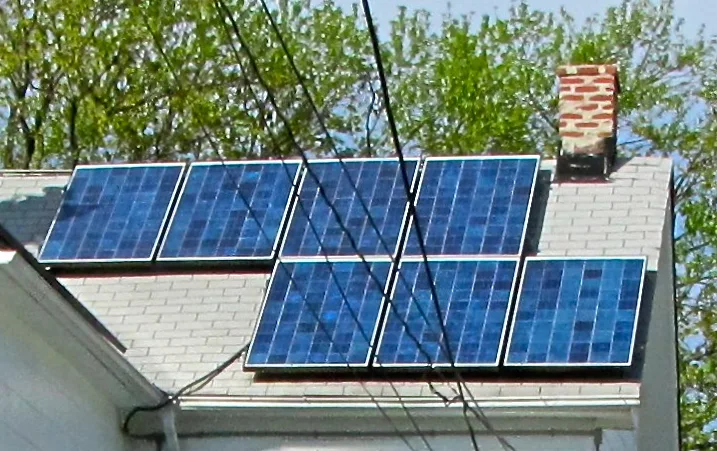
Photovoltaic panels mounted on a roof
Opportunity design, not an investment promise. These are Nigeria-focused candidate pathways. Verify site conditions, permissions, customer requirements and operating economics before implementation.

From local resource to useful service

Size energy systems around measured productive loads in a Nigerian enterprise cluster. Drying, milling, refrigeration and pumping require different combinations of electricity and heat. Compare efficiency improvements and available supply alternatives before proposing a generating asset.

Explore every pathway

Choose a pathway for its process, customers, evidence requirements and a focused discussion.

Resource → process → qualified customer

Biomass gasification

How the pathway works

Prepare suitable dry feedstock, convert it under controlled conditions and use cleaned gas in compatible equipment.

Users and possible revenue model

Industrial heat or power users may contract a managed service.

Specifications and evidence before investment

Characterise moisture, ash, tar, fuel availability, emissions, fire risk and engine compatibility; hazardous gas requires professional design.

Open this opportunity →
Resource → process → qualified customer

Biogas

How the pathway works

Segregate suitable organic feedstocks, digest under controlled conditions and use cleaned gas for an appropriate energy demand.

Users and possible revenue model

Food processors and institutions could purchase heat or managed waste treatment.

Specifications and evidence before investment

Test feed variability, gas yield, hydrogen sulphide controls, leakage and digestate safety; no guaranteed output from mixed waste.

Open this opportunity →
Resource → process → qualified customer

Waste heat recovery

How the pathway works

Measure temperature, flow and timing of an existing heat stream and match it to a nearby demand.

Users and possible revenue model

Factories may procure heat exchangers and performance-based maintenance.

Specifications and evidence before investment

Check contamination barriers, corrosion, shutdown patterns and usable heat; low-grade heat cannot meet every process.

Open this opportunity →
Resource → process → qualified customer

Solar microgrids

How the pathway works

Combine a realistic load profile, suitable solar resource and appropriately sized storage or backup.

Users and possible revenue model

Enterprise clusters may use service contracts or equipment finance subject to applicable requirements.

Specifications and evidence before investment

Assess demand diversity, seasonal generation, battery life, safety, maintenance and tariff affordability.

Open this opportunity →
Resource → process → qualified customer

Clean cooking

How the pathway works

Compare appropriate efficient cooking technologies and fuel supply against user practices.

Users and possible revenue model

Households, caterers and institutions may purchase equipment or fuel services.

Specifications and evidence before investment

Verify emissions and safety under actual use, user acceptance and sustainable fuel sourcing; efficiency alone does not mean clean.

Open this opportunity →
Resource → process → qualified customer

Thermal storage

How the pathway works

Store heat or cold at a useful temperature to shift production or cooling demand.

Users and possible revenue model

Processors and cold-chain operators may contract integrated equipment and servicing.

Specifications and evidence before investment

Measure storage losses, cycling, controls, material safety and avoided peak costs; compare to electrical storage.

Open this opportunity →
Start with evidence

Three practical pilot designs

Productive-load survey

Log electricity and heat demand before sizing a cluster system.

Heat-recovery feasibility

Match one measured waste-heat source to a compatible dryer or water-heating use.

Cold-service reliability trial

Evaluate refrigeration continuity, backup and service economics with actual customers.

Safeguards and operating responsibilities

  • Use qualified engineering and required permits.
  • Protect workers against fire, gas and electrical hazards.
  • Include replacement costs and end-of-life handling.
  • Do not count unverified carbon credits as assured revenue.

Measure before scaling

  • Delivered useful energy
  • Service availability
  • Full lifecycle cost
  • Fuel and resource traceability
  • Measured emissions and losses

Build the commercial case

Confirm the customer specification and sample acceptance first. Obtain site-specific capital and operating quotations, including feedstock, labour, energy, maintenance, logistics, testing, insurance, permissions and residuals. Model working capital and downside scenarios using documented assumptions. Shared inputs or by-products count as revenue only when safe, deliverable and accepted by a customer.

Connect this portfolio

Assess shared utilities, services and qualified material exchanges across these related sectors. Record allocation so the same resource or benefit is not counted twice.

Evidence and further reading

The linked sources inform the sector’s general technical or development basis. Nigeria-specific pilots and business models on this page are proposed designs, not endorsed projects, verified returns or commitments by the source organisations.