Local resources. Shared prosperity.Abuja, Nigeria · Innovation & Investment
Premium Blue EconomyINNOVATION & INVESTMENT
Land & materials

Waste-to-value industries

Turn material losses into qualified products.

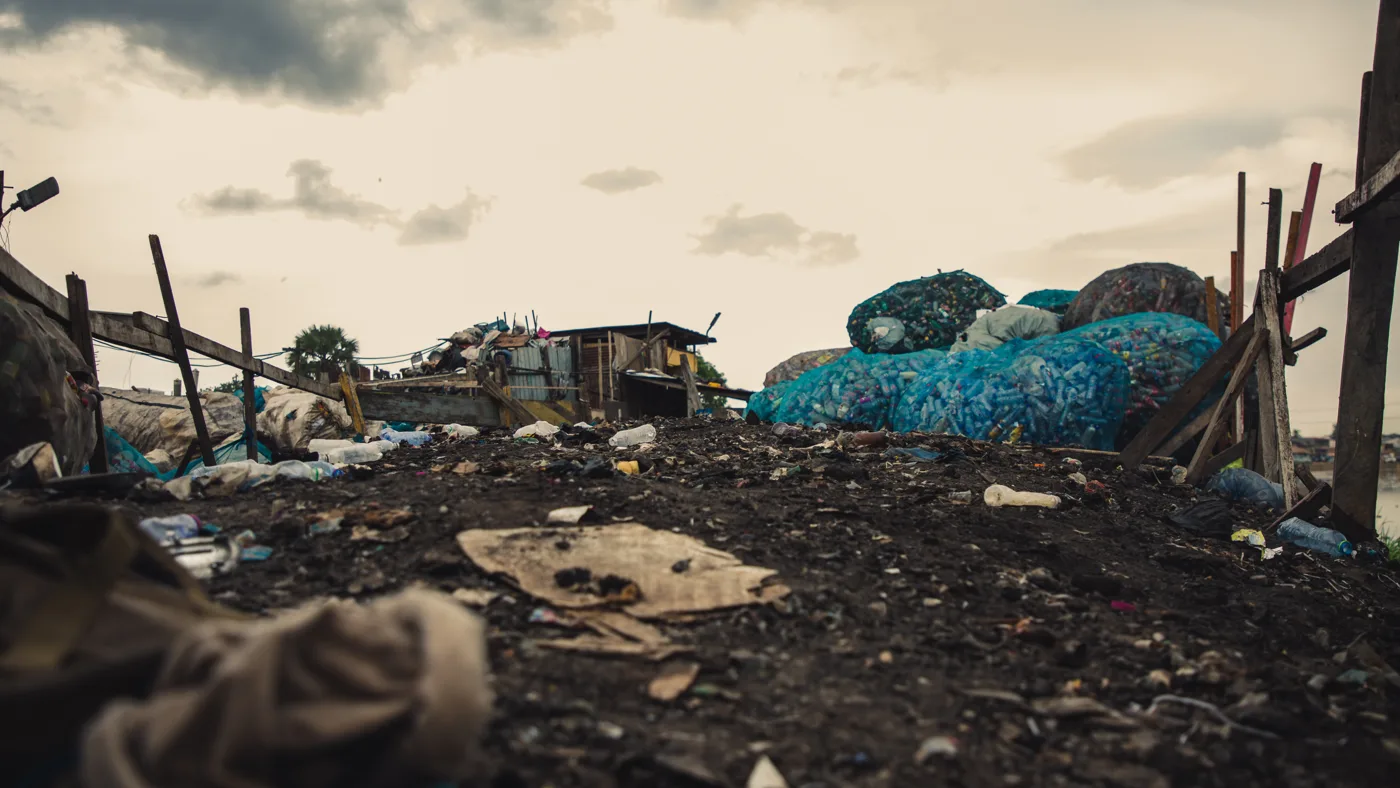
Collected bags of plastic waste at a recycling collection area
Opportunity design, not an investment promise. These are Nigeria-focused candidate pathways. Verify site conditions, permissions, customer requirements and operating economics before implementation.

From local resource to useful service

Begin with a material-flow audit in a Nigerian market, industrial estate or municipality. Clean separation, collection reliability and buyer qualification often determine success more than conversion technology. Prevention and reuse should be assessed alongside recycling and recovery.

Explore every pathway

Choose a pathway for its process, customers, evidence requirements and a focused discussion.

Resource → process → qualified customer

Mechanical recycling

How the pathway works

Sort compatible polymers, wash where necessary, shred and process into controlled secondary material.

Users and possible revenue model

Manufacturers may buy specification-compliant flakes or pellets.

Specifications and evidence before investment

Test polymer identity, contamination, melt properties and consistent supply; food-contact uses need separate qualification.

Open this opportunity →
Resource → process → qualified customer

Plastic pyrolysis intermediates

How the pathway works

Consider a controlled industrial process for suitable, segregated feedstocks only after safer recycling options and market need are assessed.

Users and possible revenue model

A qualified refinery or industrial buyer may evaluate an intermediate, subject to specification and regulation.

Specifications and evidence before investment

Do not treat mixed PET/PVC or unknown waste as interchangeable feedstock. Verify halogens, metals, emissions, mass balance, upgrading and offtake; crude oil is not automatically ultra-low-sulphur diesel.

Open this opportunity →
Resource → process → qualified customer

Organic waste to biogas

How the pathway works

Separate biodegradable materials and assess digestion, energy use and safe residual treatment.

Users and possible revenue model

Generators may pay treatment fees, while suitable users buy energy.

Specifications and evidence before investment

Control contaminants, odour, gas hazards and digestate quality. Revenue streams require separate contracts and cannot be assumed.

Open this opportunity →
Resource → process → qualified customer

Activated carbon

How the pathway works

Use a documented precursor and controlled carbonisation/activation to make media for a specific duty.

Users and possible revenue model

Water or industrial treatment suppliers may qualify samples.

Specifications and evidence before investment

Measure adsorption, leaching, ash, strength and replacement cycle. Biochar and activated carbon are not equivalent.

Open this opportunity →
Resource → process → qualified customer

Textile recovery

How the pathway works

Sort reusable garments and fibre types before repair, resale, wiping products or selected fibre recovery.

Users and possible revenue model

Repair businesses and materials processors may purchase graded streams.

Specifications and evidence before investment

Verify hygiene, fibre compatibility, coatings, dust exposure and durable demand; blended fibres complicate processing.

Open this opportunity →
Resource → process → qualified customer

Material traceability

How the pathway works

Record collection origin, weights, composition, transfer and verified final destination.

Users and possible revenue model

Producers, municipalities and recyclers may contract auditable tracking.

Specifications and evidence before investment

Calibrate weighing, prevent duplicate claims, protect personal data and verify physical flows rather than relying on certificates alone.

Open this opportunity →
Start with evidence

Three practical pilot designs

Market separation demonstration

Compare contamination, collection cost and paid demand for a small set of segregated streams.

Industrial buyer qualification

Obtain a written specification and independently test samples before equipment procurement.

Traceable recovery ledger

Track a selected stream to its final buyer or authorised disposal facility.

Safeguards and operating responsibilities

  • Protect informal collectors and agree fair participation.
  • Exclude hazardous waste from ordinary recycling routes.
  • Control air emissions, wastewater, dust and fire risk.
  • Do not label plastic-derived char as agricultural biochar.

Measure before scaling

  • Verified mass balance
  • Contamination and rejection
  • Realised buyer acceptance
  • Worker safety and incidents
  • Net cost including residual disposal

Build the commercial case

Confirm the customer specification and sample acceptance first. Obtain site-specific capital and operating quotations, including feedstock, labour, energy, maintenance, logistics, testing, insurance, permissions and residuals. Model working capital and downside scenarios using documented assumptions. Shared inputs or by-products count as revenue only when safe, deliverable and accepted by a customer.

Connect this portfolio

Assess shared utilities, services and qualified material exchanges across these related sectors. Record allocation so the same resource or benefit is not counted twice.

Evidence and further reading

The linked sources inform the sector’s general technical or development basis. Nigeria-specific pilots and business models on this page are proposed designs, not endorsed projects, verified returns or commitments by the source organisations.