Local resources. Shared prosperity.Abuja, Nigeria · Innovation & Investment
Premium Blue EconomyINNOVATION & INVESTMENT
Knowledge & enterprise

Enterprise & manufacturing

Help promising ideas become capable businesses.

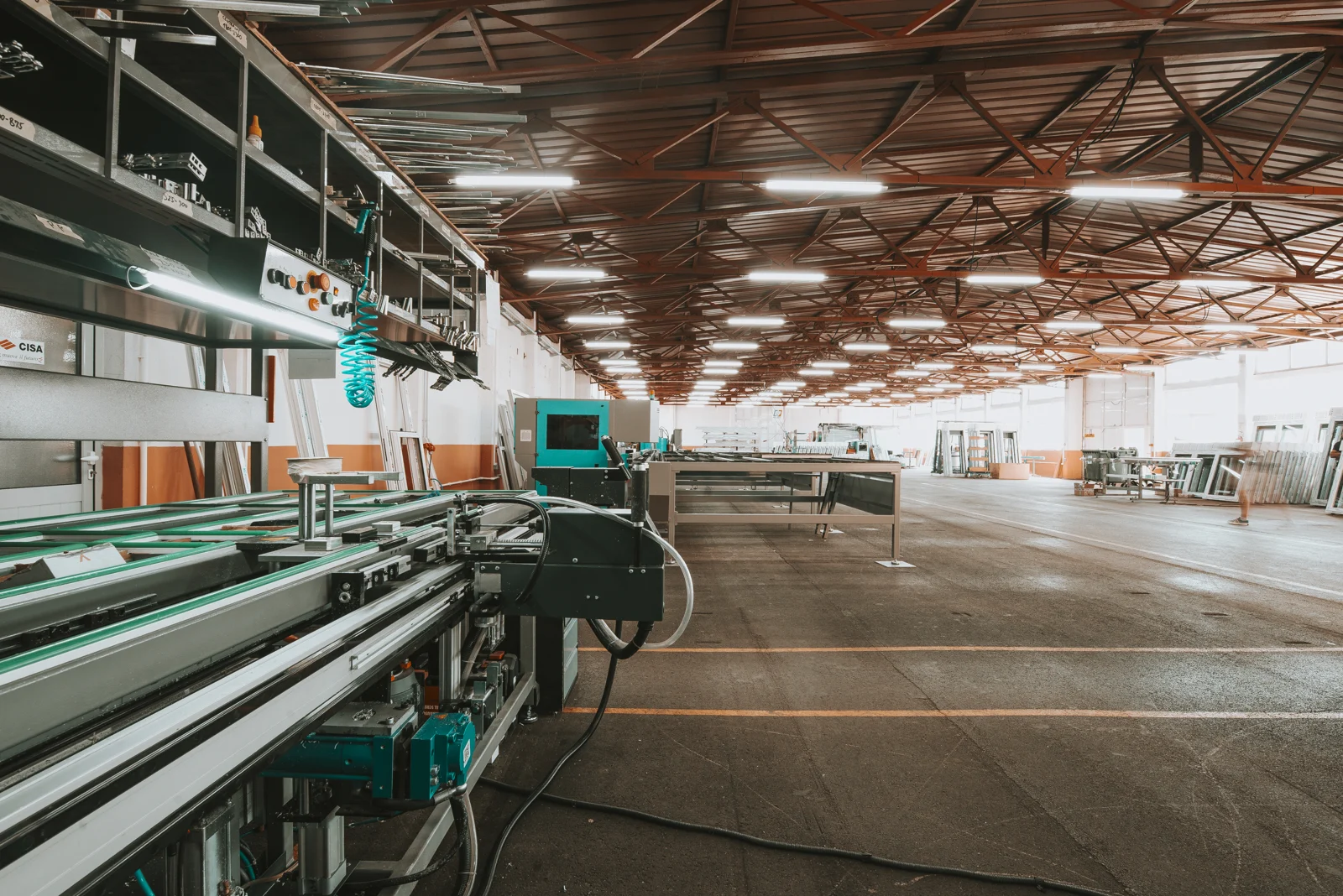
Modern industrial production machinery and processing lines inside a factory
Opportunity design, not an investment promise. These are Nigeria-focused candidate pathways. Verify site conditions, permissions, customer requirements and operating economics before implementation.

From local resource to useful service

A useful enterprise programme helps Nigerian founders move from an interesting resource to a product someone will repeatedly buy. The proposed approach combines technical testing, customer discovery, disciplined costing and clear operating responsibility. Shared facilities and advisory support should remove specific bottlenecks rather than create permanent dependence. Begin with small, documented production or service trials, then expand only when quality, demand and working-capital needs are understood. The pathways below are development options, not existing incubators or guaranteed business opportunities.

Explore every pathway

Choose a pathway for its process, customers, evidence requirements and a focused discussion.

Resource → process → qualified customer

Opportunity laboratories

How the pathway works

Bring producers, technicians and potential buyers together around a defined local resource, such as agricultural residues. Compare candidate uses and test the most plausible application with small samples.

Users and possible revenue model

Enterprise programmes and industry associations could commission structured discovery work.

Specifications and evidence before investment

Require evidence of supply, buyer specifications, safe processing and a credible operator before progressing an idea.

Open this opportunity →
Resource → process → qualified customer

Venture development

How the pathway works

Support a founder to define a product, interview customers, build a prototype and document delivery costs. Use milestone reviews to decide whether to adapt, stop or expand.

Users and possible revenue model

Founders, sponsors and enterprise-support programmes could purchase agreed development services.

Specifications and evidence before investment

Verify repeat demand, founder capability, cash requirements and realistic production constraints rather than relying on presentation quality.

Open this opportunity →
Resource → process → qualified customer

Supplier programmes

How the pathway works

Translate a Nigerian manufacturer’s purchasing requirements into supplier training, sample qualification and delivery planning. Address packaging, documentation and quality consistency alongside production skills.

Users and possible revenue model

Anchor buyers and supplier-development programmes could commission support.

Specifications and evidence before investment

Confirm real procurement interest, payment timing and rejection criteria; training does not guarantee a purchase order.

Open this opportunity →
Resource → process → qualified customer

Shared processing

How the pathway works

Assess whether several producers can use a managed dryer, mill or packaging line. Establish scheduling, hygiene, maintenance and transparent user charges before buying equipment.

Users and possible revenue model

Cooperatives and small processors could pay for measured processing services.

Specifications and evidence before investment

Test seasonal utilisation, changeover losses, energy demand, product separation and who bears downtime costs.

Open this opportunity →
Resource → process → qualified customer

Equipment leasing

How the pathway works

Match a maintainable machine to an enterprise task, then define operator training, servicing and end-of-use arrangements. Compare leasing with shared use and outright purchase.

Users and possible revenue model

Processors and service enterprises could pay contractually agreed equipment-use charges.

Specifications and evidence before investment

Check affordability under low utilisation, spare parts, damage responsibility and contract terms with qualified advisers.

Open this opportunity →
Resource → process → qualified customer

University spin-offs

How the pathway works

Identify research with a specific customer application, clarify ownership and assemble technical and commercial capabilities. Begin with a reproducible prototype and an independent buyer assessment.

Users and possible revenue model

Technology users and development programmes could commission validation or licensed development.

Specifications and evidence before investment

Resolve intellectual-property rights, staff responsibilities, conflicts of interest and proof of performance before making commercial promises.

Open this opportunity →
Start with evidence

Three practical pilot designs

Buyer-first discovery cohort

Propose a small founder cohort around documented buyer problems, ending with tested samples, customer feedback and a decision to proceed or stop.

Shared dryer feasibility

Measure seasonal throughput, fuel or electricity use and cleaning time for a candidate cooperative drying service before equipment procurement.

Supplier quality sprint

Work through a willing buyer’s sample specification with prospective suppliers, recording defects and corrective actions without implying an award.

Safeguards and operating responsibilities

  • Disclose advisory fees, ownership interests and conflicts before founders commit.
  • Use safe machinery, competent supervision and documented operating procedures in all trials.
  • Protect founder intellectual property and commercially sensitive customer information.
  • Avoid guaranteed funding, guaranteed procurement or success claims; retain transparent stopping criteria.

Measure before scaling

  • Customers returning for a second purchase or trial.
  • Production batches meeting buyer specifications.
  • Contribution per unit after directly attributable costs.
  • Equipment utilisation and unplanned downtime.
  • Founders completing agreed evidence milestones.
Manufacturing collaboration

GFRP products with Composite-Tech

Premium Blue Economy Innovation and Investment partners with Composite-Tech of Moldova in Nigeria to develop opportunities in GFRP products, production machinery and franchise collaboration. We welcome enquiries about reinforcement products, manufacturing equipment and project-specific collaboration.

Composite-Tech’s catalogue includes reinforcement bars, mesh and bent elements, with dedicated machinery for their production. Potential uses in water, coastal, precast and industrial infrastructure require qualified engineering, product testing and applicable approvals. Product specifications, equipment configuration, commercial terms and project suitability are confirmed individually.

Visit Composite-Tech’s official website

Build the commercial case

Confirm the customer specification and sample acceptance first. Obtain site-specific capital and operating quotations, including feedstock, labour, energy, maintenance, logistics, testing, insurance, permissions and residuals. Model working capital and downside scenarios using documented assumptions. Shared inputs or by-products count as revenue only when safe, deliverable and accepted by a customer.

Connect this portfolio

Assess shared utilities, services and qualified material exchanges across these related sectors. Record allocation so the same resource or benefit is not counted twice.

Evidence and further reading

The linked sources inform the sector’s general technical or development basis. Nigeria-specific pilots and business models on this page are proposed designs, not endorsed projects, verified returns or commitments by the source organisations.