Local resources. Shared prosperity.Abuja, Nigeria · Innovation & Investment
Premium Blue EconomyINNOVATION & INVESTMENT
Knowledge & enterprise

Communications & intelligence

Connect observations to practical decisions.

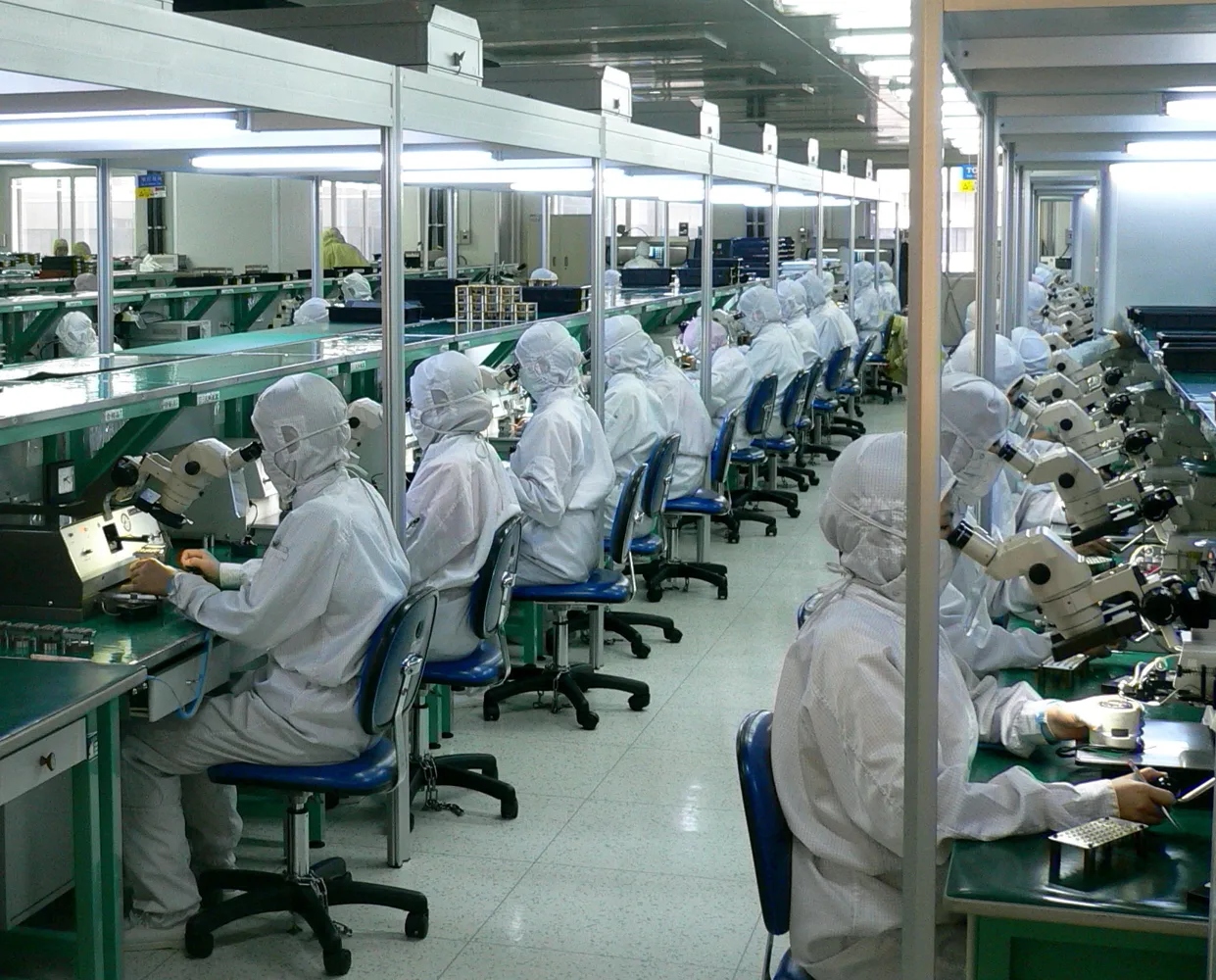
Technicians assembling and testing fibre-optic systems at workstations
Opportunity design, not an investment promise. These are Nigeria-focused candidate pathways. Verify site conditions, permissions, customer requirements and operating economics before implementation.

From local resource to useful service

For Nigerian producers, information becomes valuable when it changes a decision: repairing a pump before failure, redirecting a delayed shipment or identifying an unreliable cold room. These proposed services combine appropriate connectivity, maintainable equipment and accountable human response. Start with one customer problem and a baseline, rather than installing sensors without an operating owner. The Internet of Action is a design direction here, not an established network or a claim of nationwide coverage.

Explore every pathway

Choose a pathway for its process, customers, evidence requirements and a focused discussion.

Resource → process → qualified customer

Community connectivity

How the pathway works

Map a market or processing cluster, survey coverage, select suitable backhaul and power, then provide maintained access with local support. Start with shared business facilities before assuming household subscription demand.

Users and possible revenue model

Market associations, cooperatives and enterprise hubs could purchase installation and service packages.

Specifications and evidence before investment

Test congestion, outages, affordability, maintenance access and applicable NCC requirements before rollout.

Open this opportunity →
Resource → process → qualified customer

LiFi research

How the pathway works

Investigate light-based data transmission in a controlled Nigerian campus or workshop. Compare a demonstrator against ordinary wired and wireless options before proposing commercial use.

Users and possible revenue model

Research laboratories and equipment developers could commission feasibility studies.

Specifications and evidence before investment

Measure line-of-sight limitations, lighting conditions, interference, throughput and total cost; do not present experimental performance as deployment readiness.

Open this opportunity →
Resource → process → qualified customer

Ocean sensors

How the pathway works

Define a coastal monitoring question, select instruments, establish calibration and deploy through authorised operators. Turn observations into reviewed alerts and maintenance tasks.

Users and possible revenue model

Aquaculture operators, coastal researchers and infrastructure managers could commission monitoring.

Specifications and evidence before investment

Validate corrosion resistance, fouling, retrieval arrangements, data gaps and accuracy against reference measurements.

Open this opportunity →
Resource → process → qualified customer

Supply-chain traceability

How the pathway works

Give fish or agricultural batches consistent identifiers, record custody and temperature events, and provide buyers with auditable records. Design an offline workflow for intermittent connectivity.

Users and possible revenue model

Processors, aggregators and quality-conscious distributors could buy traceability support.

Specifications and evidence before investment

Check whether records match physical batches; a digital label alone does not establish sustainability or product quality.

Open this opportunity →
Resource → process → qualified customer

Environmental intelligence

How the pathway works

Combine field sampling, public datasets and mapped observations into practical reports for water or waste operators. Separate observations from forecasts and assign someone to investigate exceptions.

Users and possible revenue model

Utilities, industrial estates and local programme managers could commission analysis.

Specifications and evidence before investment

Document sampling coverage, uncertainty, update frequency and false alarms before relying on a dashboard.

Open this opportunity →
Resource → process → qualified customer

Local-language services

How the pathway works

Translate verified operating instructions into locally appropriate audio, text and assisted phone services. Co-design examples with users rather than simply translating technical vocabulary.

Users and possible revenue model

Training providers, cooperatives and service businesses could commission content and support.

Specifications and evidence before investment

Test comprehension with intended users, maintain approved terminology and provide a route to a trained human.

Open this opportunity →
Start with evidence

Three practical pilot designs

Cold-room response trial

Propose monitoring one cooperative cold room, with named staff responding to alerts and manual temperature records for comparison.

Market connectivity survey

Assess demand, signal conditions and backup power in a selected market before specifying equipment or subscriber targets.

Water reporting prototype

Test a simple local-language fault-reporting workflow with a water operator, including acknowledgement and closure of reported faults.

Safeguards and operating responsibilities

  • Collect only necessary personal data, restrict access and establish retention and deletion practices.
  • Confirm applicable equipment approvals and service permissions with NCC before any operational deployment.
  • Keep safety-critical decisions with qualified operators; provide manual fallbacks when communications fail.
  • Agree data ownership, export rights, maintenance responsibility and vendor exit arrangements before installation.

Measure before scaling

  • Service uptime and recovery time after faults.
  • Verified alerts that led to an operational response.
  • Cost per monitored asset and supported user.
  • Accuracy and completeness against reference records.
  • User comprehension and successful task completion.

Build the commercial case

Confirm the customer specification and sample acceptance first. Obtain site-specific capital and operating quotations, including feedstock, labour, energy, maintenance, logistics, testing, insurance, permissions and residuals. Model working capital and downside scenarios using documented assumptions. Shared inputs or by-products count as revenue only when safe, deliverable and accepted by a customer.

Connect this portfolio

Assess shared utilities, services and qualified material exchanges across these related sectors. Record allocation so the same resource or benefit is not counted twice.

Evidence and further reading

The linked sources inform the sector’s general technical or development basis. Nigeria-specific pilots and business models on this page are proposed designs, not endorsed projects, verified returns or commitments by the source organisations.