Local resources. Shared prosperity.Abuja, Nigeria · Innovation & Investment
Premium Blue EconomyINNOVATION & INVESTMENT
Ocean & water

Marine biotechnology

Translate aquatic research into useful products.

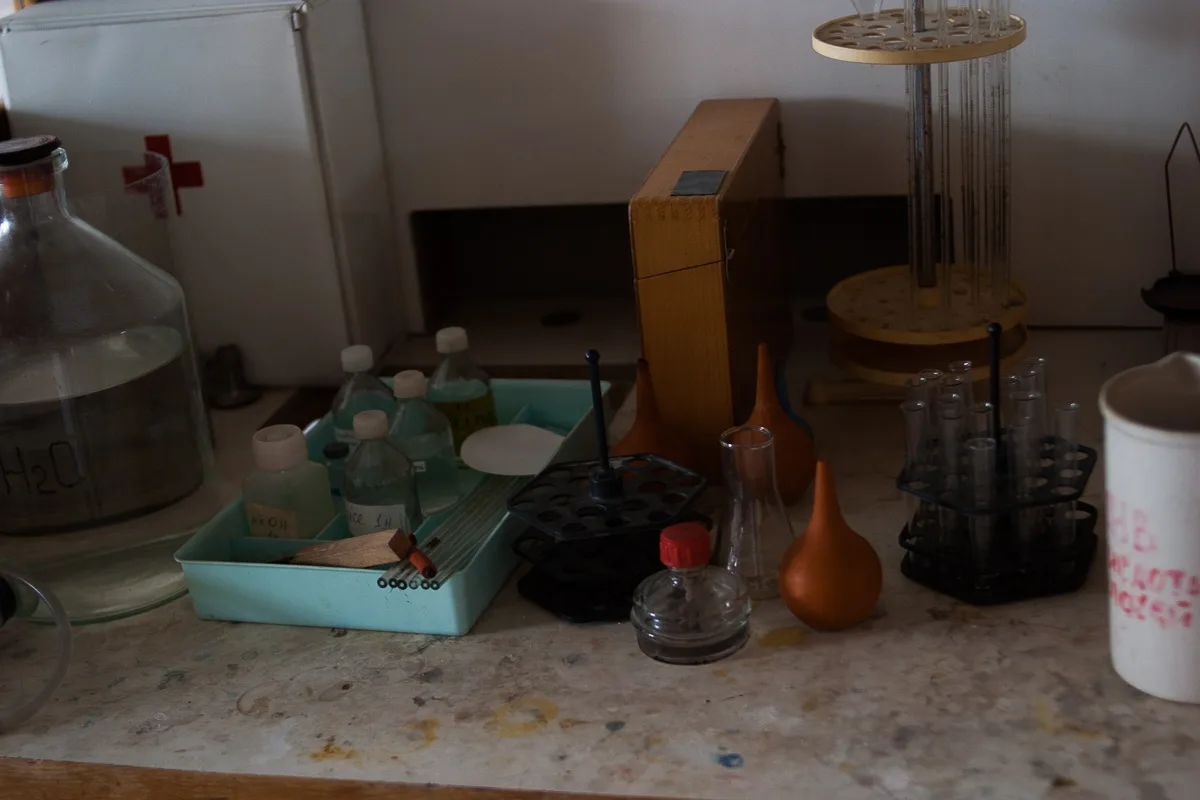
Glassware and apparatus on a chemical laboratory bench
Opportunity design, not an investment promise. These are Nigeria-focused candidate pathways. Verify site conditions, permissions, customer requirements and operating economics before implementation.

From local resource to useful service

Nigeria-focused marine biotechnology should begin with species identification, lawful access and a useful customer specification. Laboratory research, cultivation trials and ingredient qualification are distinct stages. A promising extract is not yet an approved agricultural, food, cosmetic or medical product.

Explore every pathway

Choose a pathway for its process, customers, evidence requirements and a focused discussion.

Resource → process → qualified customer

Seaweed biostimulants

How the pathway works

Identify suitable species, assess cultivation or responsible sourcing, prepare controlled extracts and run replicated crop trials.

Users and possible revenue model

Agricultural-input formulators and growers may qualify a product with consistent performance.

Specifications and evidence before investment

Test identity, contaminants, composition, shelf life and crop response; establish applicable approvals and avoid guaranteed yield claims.

Open this opportunity →
Resource → process → qualified customer

Algal proteins

How the pathway works

Screen cultivation systems, harvest biomass and evaluate a safe protein ingredient.

Users and possible revenue model

Feed or food formulators have different quality and regulatory needs.

Specifications and evidence before investment

Verify nutritional profile, digestibility, contamination and economical drying; food use needs specific safety evidence.

Open this opportunity →
Resource → process → qualified customer

Natural pigments

How the pathway works

Extract and stabilise pigments from documented biological sources.

Users and possible revenue model

Cosmetic, food or industrial formulators may buy specification-compliant ingredients.

Specifications and evidence before investment

Confirm colour stability, purity, solvent residues and use-specific permissions.

Open this opportunity →
Resource → process → qualified customer

Marine enzymes

How the pathway works

Screen biological samples for a defined industrial reaction, characterise activity and assess reproducible production.

Users and possible revenue model

Laboratories and process industries may commission research before supply contracts.

Specifications and evidence before investment

Measure activity, stability, batch consistency, biosafety and access/benefit-sharing obligations.

Open this opportunity →
Resource → process → qualified customer

Biomaterials

How the pathway works

Assess suitable biological polymers or marine-derived fillers in a particular formulation.

Users and possible revenue model

Packaging or materials developers may sponsor prototype qualification.

Specifications and evidence before investment

Test mechanical properties, moisture response, migration where relevant and actual end-of-life performance; do not assume biodegradability.

Open this opportunity →
Resource → process → qualified customer

Environmental DNA

How the pathway works

Use validated sampling and analysis to investigate selected organisms or biodiversity questions.

Users and possible revenue model

Researchers, conservation programmes and project developers may commission monitoring.

Specifications and evidence before investment

Control contamination, reference-library gaps and false negatives; eDNA does not by itself establish abundance or absence.

Open this opportunity →
Start with evidence

Three practical pilot designs

Seaweed crop-input trial

Establish species and contamination screening, then independently compare treated and untreated plots.

Ingredient specification workshop

Ask target formulators for required tests before choosing extraction equipment.

Coastal monitoring comparison

Compare eDNA with conventional field observations on a small defined research question.

Safeguards and operating responsibilities

  • Protect habitat and avoid unassessed introduction of species.
  • Document collection permissions and benefit sharing.
  • Manage solvents and effluents safely.
  • Keep research claims separate from approved product claims.

Measure before scaling

  • Reproducible batch quality
  • Verified biomass supply
  • Extraction yield and energy demand
  • Independent efficacy or performance
  • Customer qualification milestones

Build the commercial case

Confirm the customer specification and sample acceptance first. Obtain site-specific capital and operating quotations, including feedstock, labour, energy, maintenance, logistics, testing, insurance, permissions and residuals. Model working capital and downside scenarios using documented assumptions. Shared inputs or by-products count as revenue only when safe, deliverable and accepted by a customer.

Connect this portfolio

Assess shared utilities, services and qualified material exchanges across these related sectors. Record allocation so the same resource or benefit is not counted twice.

Evidence and further reading

The linked sources inform the sector’s general technical or development basis. Nigeria-specific pilots and business models on this page are proposed designs, not endorsed projects, verified returns or commitments by the source organisations.