Resource → process → qualified customer
Botanical research
How the pathway works
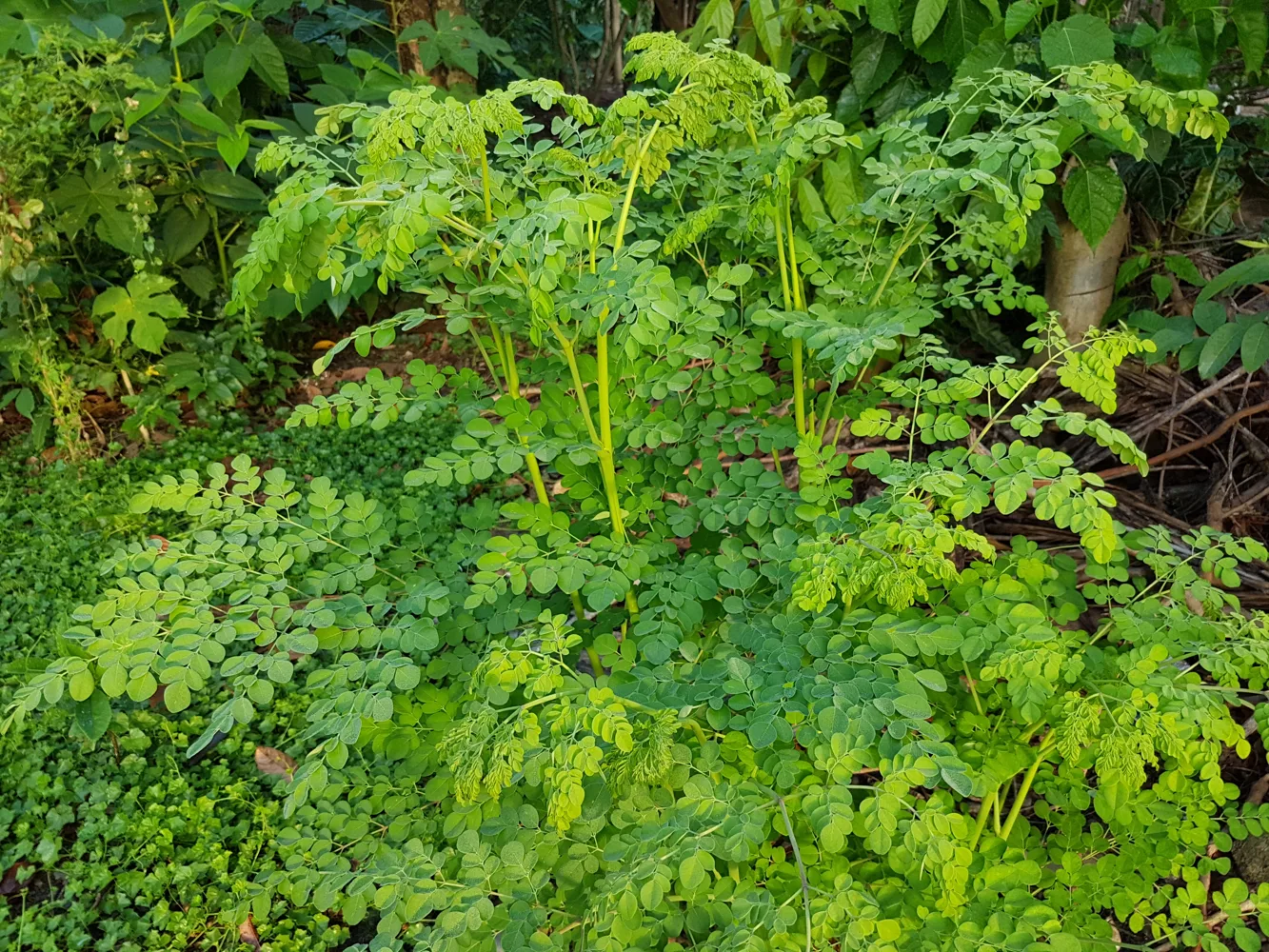
Document a research question, identify plant material through competent specialists, source it responsibly and develop reproducible laboratory methods. Preserve provenance and records for every sample.
Users and possible revenue model
Research institutions and product developers could commission identification and analytical studies.
Specifications and evidence before investment
Check species identity, contaminants, extraction consistency and the evidence needed for the proposed use before considering human studies.
Open this opportunity →Resource → process → qualified customer
Functional foods
How the pathway works
Explore food formulations using familiar Nigerian ingredients, then test nutritional composition, processing behaviour and consumer acceptance. Treat any proposed health claim as a separate evidence question.
Users and possible revenue model
Food manufacturers and ingredient suppliers could commission formulation and testing.
Specifications and evidence before investment
Verify food safety, allergens, shelf life and permitted labelling; nutrient content does not establish disease prevention.
Open this opportunity →Resource → process → qualified customer
Mushroom ingredients
How the pathway works
Develop controlled cultivation, hygienic harvesting, drying and milling for identified edible species. Compare whole-food and ingredient applications with potential buyers.
Users and possible revenue model
Food processors and qualified ingredient distributors could purchase documented batches.
Specifications and evidence before investment
Confirm species, substrate safety, microbial quality and storage stability; avoid medicinal claims unsupported by appropriate evidence.
Open this opportunity →Resource → process → qualified customer
Natural cosmetics
How the pathway works
Assess locally sourced oils or botanical ingredients for defined cosmetic functions, then formulate with qualified specialists and suitable packaging. Build batch records and complaints handling.
Users and possible revenue model
Cosmetic formulators, personal-care brands and contract manufacturers could become customers.
Specifications and evidence before investment
Test stability, preservation, contamination and skin-safety requirements, and confirm applicable registration before commercial distribution.
Open this opportunity →Resource → process → qualified customer
Laboratory testing
How the pathway works
Define the sample, method and decision required, then use competent laboratories with suitable quality controls. Provide results with detection limits and an explanation of their scope.
Users and possible revenue model
Manufacturers, researchers and procurement teams could commission quality assurance services.
Specifications and evidence before investment
Verify method suitability and accreditation scope where relevant; one passing sample cannot certify every future production batch.
Open this opportunity →Resource → process → qualified customer
Nutrition education
How the pathway works
Develop practical food-handling and dietary education around accessible local foods, using qualified nutrition professionals to review materials. Separate general information from personalised medical advice.
Users and possible revenue model
Schools, community programmes and employers could commission education services.
Specifications and evidence before investment
Evaluate comprehension, cultural fit and affordability, and refer individual clinical concerns to appropriate professionals.
Open this opportunity →