Local resources. Shared prosperity.Abuja, Nigeria · Innovation & Investment
Premium Blue EconomyINNOVATION & INVESTMENT
Knowledge & enterprise

Tourism, culture & nature

Create livelihoods that support living landscapes.

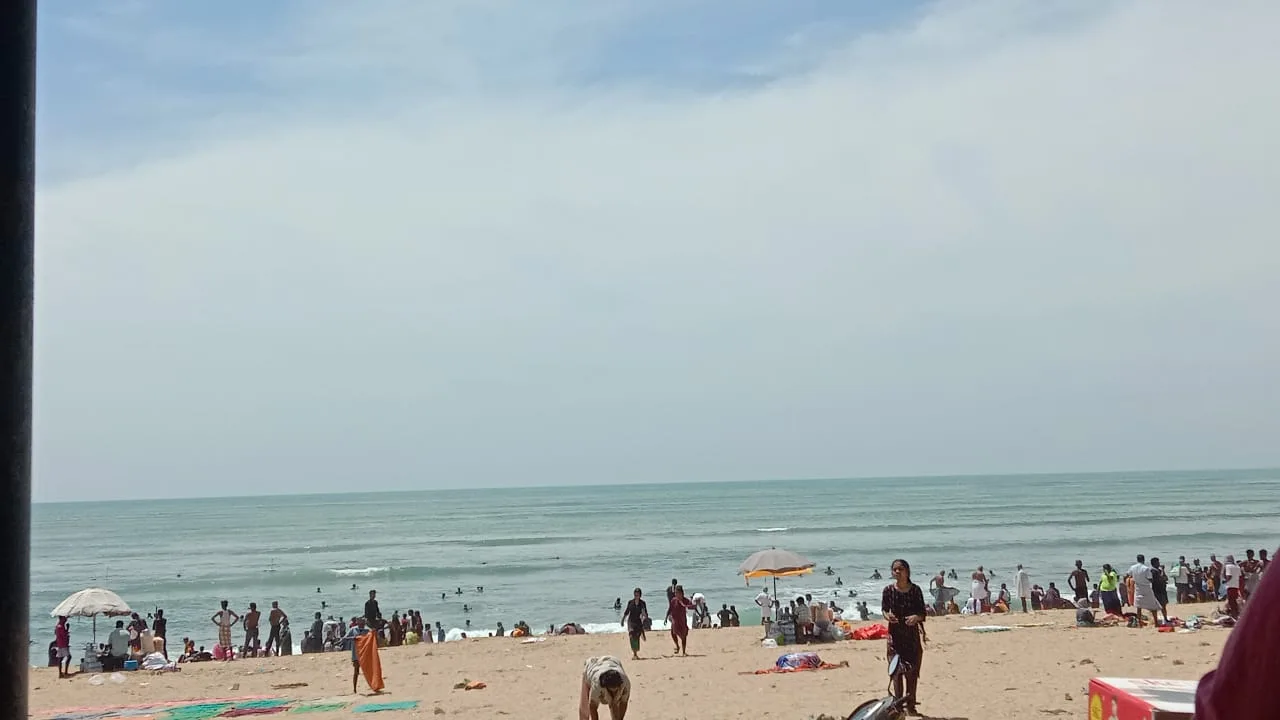
Visitors along a sandy beach beside the sea
Opportunity design, not an investment promise. These are Nigeria-focused candidate pathways. Verify site conditions, permissions, customer requirements and operating economics before implementation.

From local resource to useful service

Tourism proposals should strengthen the places people visit and the communities that live there. In Nigeria, a useful starting point is a locally agreed experience combining heritage, nature, food or craftsmanship with safe access and clear hosting responsibilities. The aim is a manageable service, not visitor growth at any cost. UNESCO’s documentation of Osun-Osogbo highlights both cultural significance and visitor-management concerns; reference to a heritage site does not imply permission, partnership or an operating tour.

Explore every pathway

Choose a pathway for its process, customers, evidence requirements and a focused discussion.

Resource → process → qualified customer

Community tourism

How the pathway works

Invite residents to define acceptable visitor activities, select willing hosts and guides, and agree how bookings and payments would work. Link experiences to local transport and hospitality.

Users and possible revenue model

Domestic visitors, educational groups and responsible tour operators could purchase hosted experiences.

Specifications and evidence before investment

Test demand, access, host capacity, fair payment and community consent before publishing an itinerary.

Open this opportunity →
Resource → process → qualified customer

Heritage routes

How the pathway works

Develop a permission-based route connecting interpretation, recognised custodians, rest stops and local services. Use verified history and make uncertainty visible where accounts differ.

Users and possible revenue model

Cultural visitors, schools and specialist operators could purchase guided programmes.

Specifications and evidence before investment

Confirm site access, sacred boundaries, guide competence, transport safety and permission for photography or storytelling.

Open this opportunity →
Resource → process → qualified customer

Nature education

How the pathway works

Design guided observation sessions with trained facilitators and minimal disturbance. Choose accessible locations where learning objectives match the season and visitor group.

Users and possible revenue model

Schools, families and institutional learning programmes could commission visits.

Specifications and evidence before investment

Assess weather, terrain, wildlife risks, emergency access and ecological sensitivity; avoid handling or collecting wildlife.

Open this opportunity →
Resource → process → qualified customer

Local food experiences

How the pathway works

Connect producers, hygienic kitchens and hosts in a small tasting or preparation experience. Explain ingredient origins and local practices without inventing health benefits.

Users and possible revenue model

Visitors, event organisers and hospitality businesses could buy experiences or catering.

Specifications and evidence before investment

Verify safe water, food temperatures, allergen communication, kitchen capacity and customer willingness to pay.

Open this opportunity →
Resource → process → qualified customer

Craft enterprises

How the pathway works

Support makers to translate existing skills into well-finished products with clear provenance, packaging and fulfilment. Preserve maker authorship rather than appropriating community designs.

Users and possible revenue model

Visitors, hospitality outlets and curated retailers could purchase craft products.

Specifications and evidence before investment

Test quality consistency, transport damage, lead times, material sourcing and the maker’s share of the selling price.

Open this opportunity →
Resource → process → qualified customer

Conservation services

How the pathway works

Identify a real site-management need such as trail maintenance, waste collection or visitor counts, then define accountable service tasks with custodians.

Users and possible revenue model

Site managers and authorised conservation programmes could commission services.

Specifications and evidence before investment

Establish land access, ecological expertise and monitoring; tourism income alone does not prove a conservation benefit.

Open this opportunity →
Start with evidence

Three practical pilot designs

Community hosting workshop

Propose a participatory session to choose acceptable experiences, excluded activities, payment principles and a community complaints route.

Small-group route rehearsal

Test a short route with invited participants, checking timing, accessibility, transport and interpretation before public marketing.

Craft-to-visitor prototype

Develop a small sample collection with willing makers and test packaging, pricing and customer feedback without guaranteeing sales.

Safeguards and operating responsibilities

  • Obtain community and custodian agreement, especially around sacred spaces and cultural knowledge.
  • Set visitor limits according to site conditions and retain the option to suspend activities.
  • Prepare emergency, safeguarding and transport arrangements with competent local providers.
  • Avoid wildlife disturbance, unverified conservation claims and inequitable use of community images.

Measure before scaling

  • Local share of visitor expenditure and maker payments.
  • Visitor satisfaction alongside resident feedback.
  • Waste generated and responsibly managed per visit.
  • Safety incidents and corrective actions.
  • Site condition and compliance with agreed visitor limits.

Build the commercial case

Confirm the customer specification and sample acceptance first. Obtain site-specific capital and operating quotations, including feedstock, labour, energy, maintenance, logistics, testing, insurance, permissions and residuals. Model working capital and downside scenarios using documented assumptions. Shared inputs or by-products count as revenue only when safe, deliverable and accepted by a customer.

Connect this portfolio

Assess shared utilities, services and qualified material exchanges across these related sectors. Record allocation so the same resource or benefit is not counted twice.

Evidence and further reading

The linked sources inform the sector’s general technical or development basis. Nigeria-specific pilots and business models on this page are proposed designs, not endorsed projects, verified returns or commitments by the source organisations.