Local resources. Shared prosperity.Abuja, Nigeria · Innovation & Investment
Premium Blue EconomyINNOVATION & INVESTMENT
Land & materials

Minerals & value addition

Develop useful products from mineral resources.

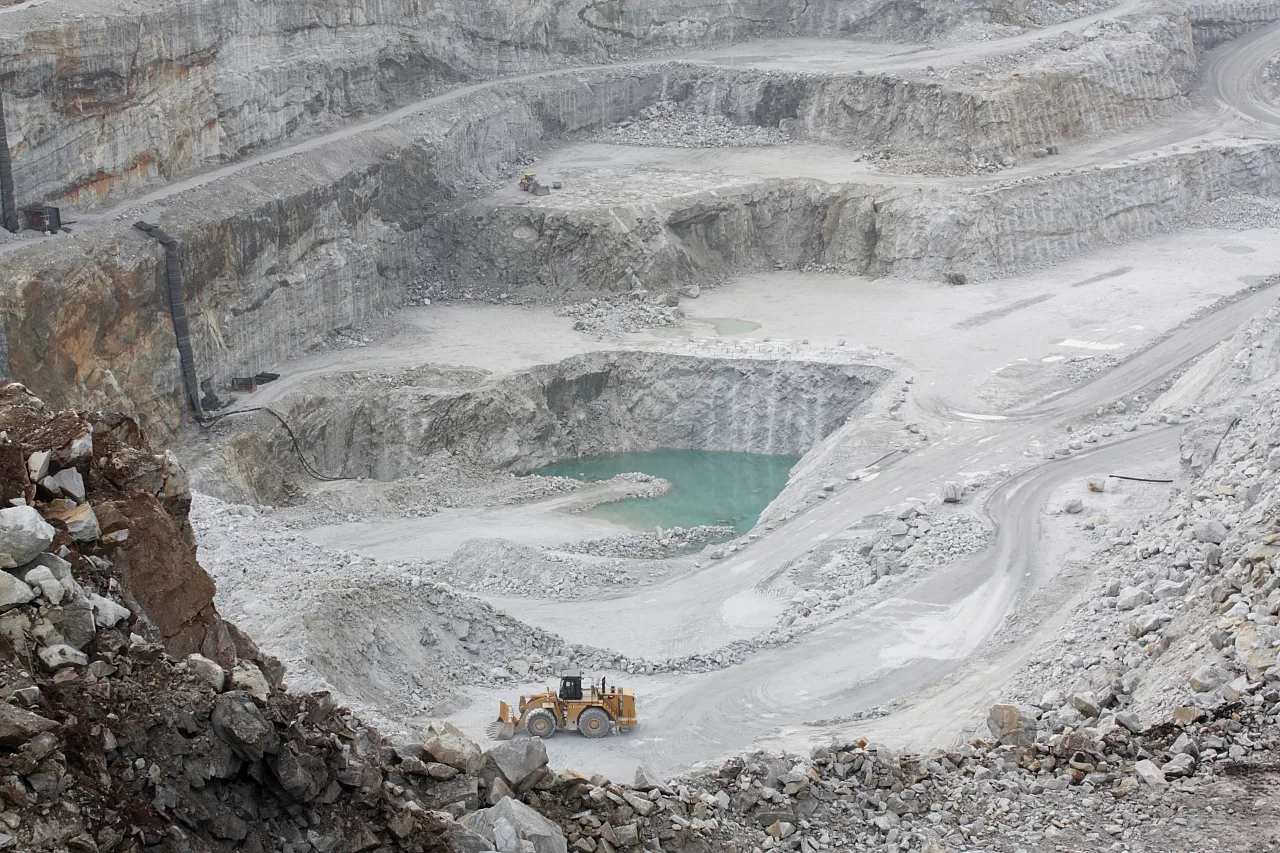
Terraced limestone quarry with a loader
Opportunity design, not an investment promise. These are Nigeria-focused candidate pathways. Verify site conditions, permissions, customer requirements and operating economics before implementation.

From local resource to useful service

Turn a Nigerian mineral occurrence into an industrial opportunity only after proving representative grade, lawful access, recoverable supply and an economic processing route. National or global mineral statistics are not site-level reserves. Customer specifications should guide exploration, test work and plant design.

Explore every pathway

Choose a pathway for its process, customers, evidence requirements and a focused discussion.

Resource → process → qualified customer

Kaolin ceramics

How the pathway works

Sample representative clay, beneficiate where needed and test ceramic formulations and firing behaviour.

Users and possible revenue model

Ceramic and industrial users can qualify a grade-specific product.

Specifications and evidence before investment

Measure mineralogy, colour, iron, particle size, plasticity, shrinkage and firing response; different deposits suit different uses.

Open this opportunity →
Resource → process → qualified customer

Industrial silica

How the pathway works

Characterise sand or quartz, remove impurities where feasible and size the product.

Users and possible revenue model

Glass, foundry or other industrial buyers need distinct grades.

Specifications and evidence before investment

Verify chemistry, grain distribution, yield, contaminant limits and safe silica-dust controls.

Open this opportunity →
Resource → process → qualified customer

Limestone derivatives

How the pathway works

Test limestone for suitable aggregate, filler or calcined products, selecting a market before designing the process.

Users and possible revenue model

Construction and industrial processors may contract qualified grades.

Specifications and evidence before investment

Assess chemistry, variability, kiln energy and emissions where relevant; not all limestone supports every chemical application.

Open this opportunity →
Resource → process → qualified customer

Tailings assessment

How the pathway works

Characterise historical residues for potential recovery and environmental liability before disturbing them.

Users and possible revenue model

Mine operators or qualified processors may commission studies or recovery services.

Specifications and evidence before investment

Determine ownership, geotechnical stability, contaminants, recoverable grade and water management; waste status is not proof of value.

Open this opportunity →
Resource → process → qualified customer

Beneficiation

How the pathway works

Use representative laboratory and pilot testing to compare separation routes against product specifications.

Users and possible revenue model

Mine operators and processors may purchase toll treatment or equipment services.

Specifications and evidence before investment

Establish mass balance, recovery versus grade, water/energy use, reagents and residual disposal; high recovery alone does not prove profitability.

Open this opportunity →
Resource → process → qualified customer

Mineral testing

How the pathway works

Develop traceable sampling, preparation and qualified analytical services.

Users and possible revenue model

Explorers, processors and industrial buyers need reliable assays and characterisation.

Specifications and evidence before investment

Use appropriate methods, reference materials, QA/QC and chain of custody; a single hand-picked sample is not a resource estimate.

Open this opportunity →
Start with evidence

Three practical pilot designs

Buyer-led mineral screen

Obtain specifications from potential customers, then sample candidate material representatively.

Beneficiation test campaign

Compare product quality, recovery and full processing requirements at laboratory scale.

Shared testing pathway

Define sample logistics and competent laboratory partners before proposing a new facility.

Safeguards and operating responsibilities

  • Confirm mineral rights and environmental obligations.
  • Protect communities, workers and water sources.
  • Plan rehabilitation and residual management from the start.
  • Distinguish occurrence, exploration target, resource and reserve.

Measure before scaling

  • Representative grade and variability
  • Qualified product yield
  • Water and energy per output
  • Residuals and restoration provision
  • Written buyer test feedback

Build the commercial case

Confirm the customer specification and sample acceptance first. Obtain site-specific capital and operating quotations, including feedstock, labour, energy, maintenance, logistics, testing, insurance, permissions and residuals. Model working capital and downside scenarios using documented assumptions. Shared inputs or by-products count as revenue only when safe, deliverable and accepted by a customer.

Connect this portfolio

Assess shared utilities, services and qualified material exchanges across these related sectors. Record allocation so the same resource or benefit is not counted twice.

Evidence and further reading

The linked sources inform the sector’s general technical or development basis. Nigeria-specific pilots and business models on this page are proposed designs, not endorsed projects, verified returns or commitments by the source organisations.